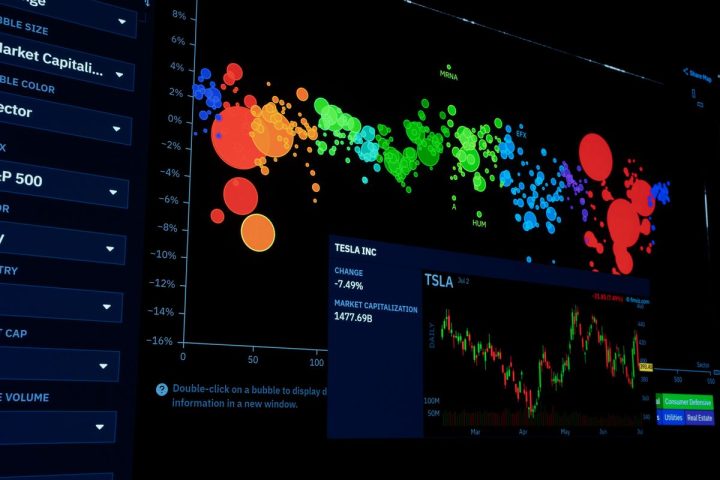
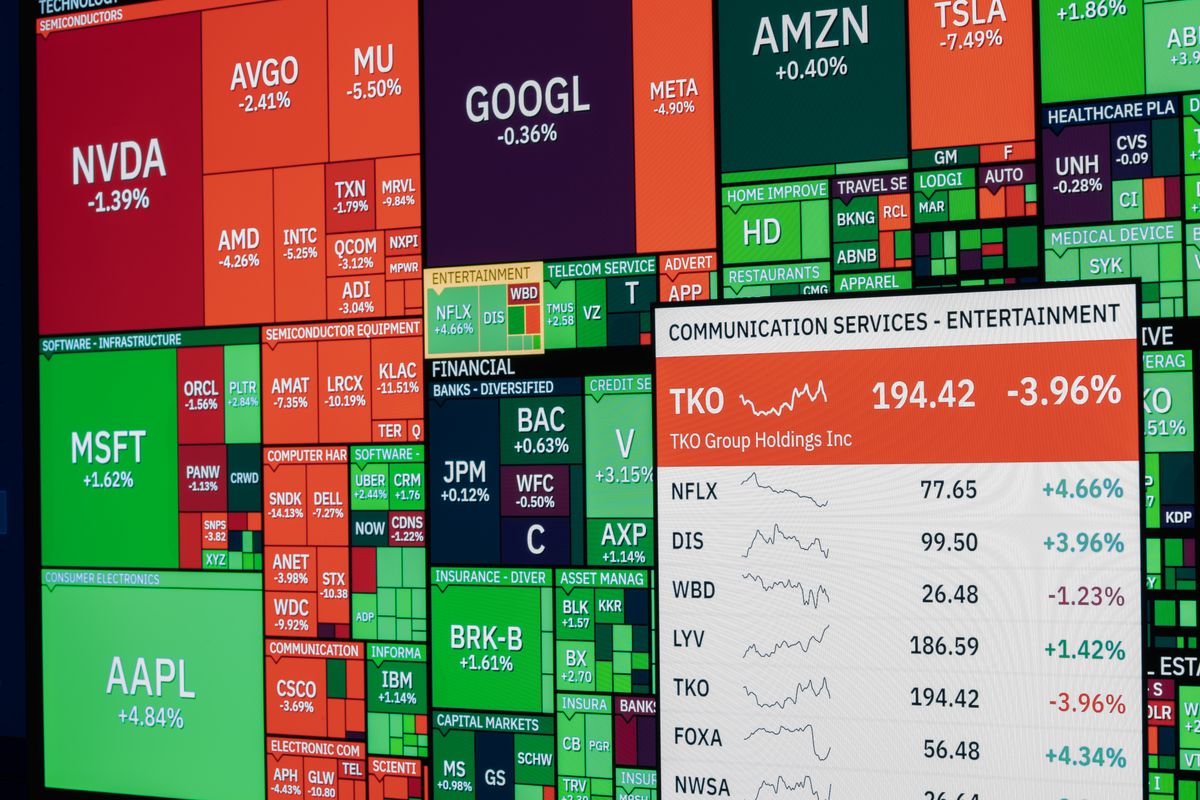
Staying on top of stock market updates is one of the smartest habits any investor can build. Prices shift daily because of earnings reports, interest rates, inflation data, and global news. Understanding these updates helps you make smarter, calmer decisions instead of reacting to headlines.
Markets rarely move for just one reason. Therefore, looking beyond the daily gain or loss number gives you a much clearer picture of what’s really happening.
What Are Stock Market Updates and Why They Matter?
Stock market updates are simple reports that cover recent changes in the financial world. They include index movements, individual stock prices, trading volume, sector trends, and even bond and currency shifts.
In the United States, three major indexes get the most attention: the Dow Jones Industrial Average, the S&P 500, and the Nasdaq Composite. Each one tells a different story.
| Index | What It Tracks | Best For |
| Dow Jones | 30 large, well-known companies | Blue-chip trends |
| S&P 500 | 500 broad U.S. companies | Overall market health |
| Nasdaq Composite | Tech and growth companies | Technology sector trends |
Meanwhile, global markets in Europe and Asia also matter. Because economies are connected, a shift overseas can quickly influence sentiment at home.
Why Do Stock Prices Move Every Day?
Stock prices react to expectations. Investors don’t just look at where a company stands today, they look at where it’s headed.
Corporate Earnings Impact
When a company beats expectations, its stock often rises. On the other hand, weak earnings or cautious forward guidance can push prices down quickly, even if profits technically grew.
Investor Sentiment and Emotions
Sometimes, nothing changes about a company’s actual business, yet its stock still moves sharply. That’s because fear and optimism drive short-term buying and selling. As a result, sentiment alone can cause volatility.
How Interest Rates Shape Stock Market Updates?
Central bank decisions are among the biggest market movers. When interest rates rise, borrowing becomes more expensive for both businesses and everyday consumers. This often slows spending and investment.
In contrast, when rates are expected to fall, stocks, especially growth and tech shares, tend to benefit. Lower borrowing costs generally support business expansion. For this reason, every Federal Reserve announcement gets close attention from traders and analysts alike.
Why Technology Stocks Lead Market Performance?
Technology companies now make up a large share of major indexes. Consequently, their performance can swing the entire market up or down.
Artificial intelligence has become a major growth theme. Companies in semiconductors, cloud computing, and AI infrastructure have seen huge investor interest. However, this excitement also raises valuation concerns, if earnings don’t keep up with expectations, prices can fall sharply.
Corporate Earnings Season, Explained Simply
Four times a year, public companies release their financial results during what’s called earnings season. Investors compare these results against analyst forecasts, not just against last year’s numbers.
Interestingly, a company can report higher profits and still see its stock drop. This usually happens when results fall short of what the market expected. Similarly, forward guidance, what executives expect next, often matters more than the current quarter’s numbers.
Inflation and Employment Data: What to Watch
Inflation affects nearly everything: household budgets, business costs, wages, and central bank policy. When inflation comes in higher than expected, investors often assume interest rates will stay elevated longer. This can pressure stock prices.
On the other hand, a cooler inflation report can lift markets, since it raises hopes for future rate cuts.
Employment data works similarly. A strong job market supports consumer spending, but if it’s too strong, it can fuel wage growth and inflation worries at the same time.
Global Events That Move Markets
Stock market updates aren’t limited to U.S. news. Political tension, trade disputes, and supply chain issues abroad can all ripple into domestic markets.
Oil prices are especially sensitive to global conflict. When oil spikes, transportation and production costs rise, which can squeeze company profits. Additionally, a strong U.S. dollar can shrink the value of overseas revenue for multinational firms.
What Smart Investors Track in Daily Updates?
A good market update covers more than just “stocks went up” or “stocks went down.” Consider tracking:
- Major index performance
- Treasury yields
- Inflation and jobs reports
- Corporate earnings
- Tech and semiconductor trends
- Oil and gold prices
- Currency shifts
- Overall investor sentiment
Together, these signals paint a much fuller picture than any single headline.
Short-Term Noise vs. Long-Term Trends
Here’s an important lesson: daily market swings don’t always signal a lasting trend. Markets often react to temporary news, while strong companies keep growing despite short-term ups and downs.
Because of this, long-term investors usually focus less on daily noise and more on earnings growth, valuation, and diversification. A single trading day rarely tells the full story.
Final Thoughts on Staying Informed
Following reliable stock market updates regularly can help you understand shifting conditions and make better financial decisions. Still, it’s wise to avoid reacting purely to sensational headlines or single-day price swings.
Markets are naturally uncertain, and past results never guarantee future ones. However, when you combine market updates with solid research and a long-term mindset, you’re far better equipped to handle both opportunity and volatility with confidence.