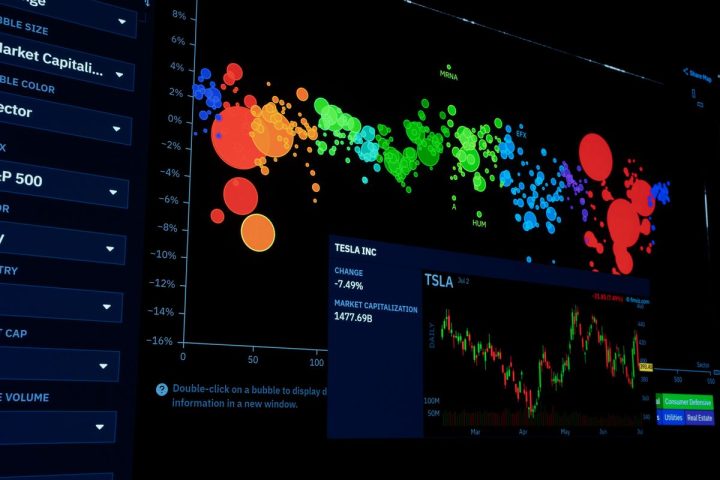
A stock market rally happens when stock prices climb steadily across a wide part of the market. It can last a few days, several weeks, or even months. So, why does this matter to you? Because a rally often signals something bigger, rising confidence, stronger company profits, or a shift in interest rates. Understanding what drives a stock market rally helps you tell a short-lived bounce apart from a real, lasting trend.
Not every stock rises during a rally, though. Some companies may still fall while major indexes climb. However, a broad rally usually means many industries move up together, and more investors join in.
What Does a Stock Market Rally Actually Mean?
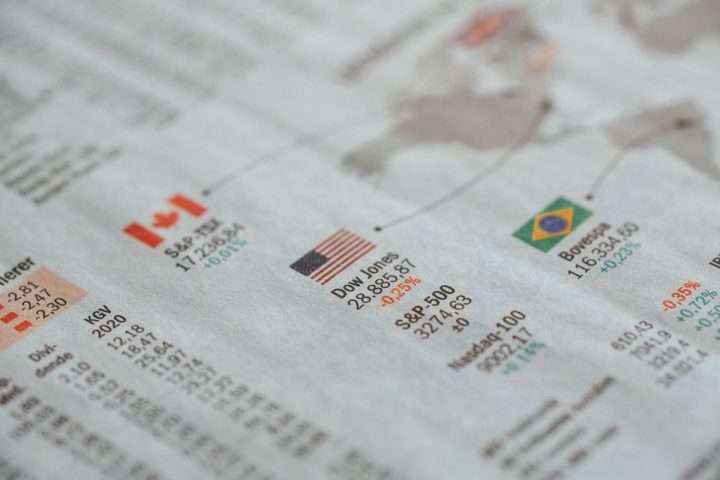
Investors often describe a rally in terms of a major index, like the S&P 500, Nasdaq, or Dow Jones. Sometimes, though, a rally is limited to one sector. For example, a tech rally happens when software and chip companies see heavy buying. Meanwhile, a broader rally spreads across finance, healthcare, industrials, and consumer goods too.
Rallies Can Happen in Both Bull and Bear Markets
Interestingly, rallies are not only a bull-market feature. A strong rise within a longer downtrend is called a relief rally or bear-market rally. Therefore, it’s smart to check the reasons behind a rise instead of assuming every upward move means a full recovery.
7 Key Drivers Behind Every Stock Market Rally
1. Falling or Stable Interest Rates
When investors expect lower interest rates, stocks often become more attractive. Lower borrowing costs let companies expand, hire, and invest more freely. Additionally, future company profits look more valuable when interest rates drop. As a result, hints of cooling inflation can spark strong buying. That said, rate expectations shift quickly, so a rally built only on hope for future cuts can lose steam fast.
2. Strong Corporate Earnings
Company profits are one of the biggest rally triggers. When firms beat earnings expectations, investors raise their growth forecasts. Consequently, if many big companies report good news together, the whole market can jump. However, forward guidance matters just as much. A company can post great results today but still see its stock fall if it gives weak guidance for tomorrow.
3. Technology and AI Momentum
Large tech firms carry huge weight in major indexes. Because of this, growing demand for chips, cloud computing, and artificial intelligence tools can move the entire market. In fact, a tech-driven rally often spreads to other sectors once investors believe AI will boost profits everywhere. Still, high enthusiasm can push valuations too high, making stocks more sensitive to disappointing news.
4. Economic Growth and Confidence
A healthy economy builds a strong base for a rally. When jobs are steady and consumers keep spending, investor confidence tends to grow. Interestingly, markets sometimes rally even when the economy looks only “okay,” since mild weakness can raise hopes for lower interest rates.
5. Market Breadth
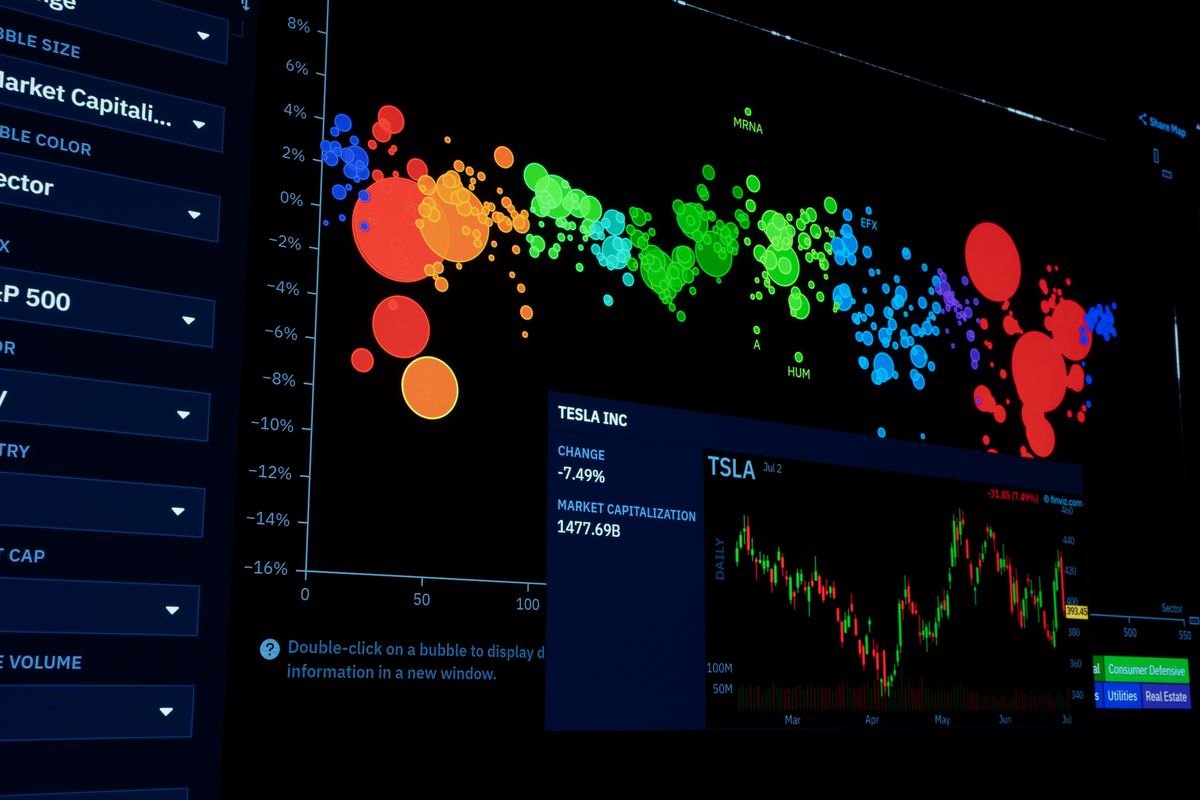
Market breadth shows how many stocks are actually rising, not just a handful of giants. A rally driven by only a few mega-cap stocks is considered narrow and possibly fragile. On the other hand, wide participation across sectors usually signals healthier, broader confidence.
6. Trading Volume
Heavy trading volume alongside rising prices usually points to strong investor participation. Low-volume rallies can still continue, but they may reflect limited enthusiasm rather than a true broad-based move.
7. Investor Psychology and Global Events
Fear of missing out can pull sideline investors back into the market, creating a self-feeding cycle of buying. Meanwhile, global events, trade policy, conflicts, currency swings, or foreign central bank moves, can also nudge sentiment up or down.
How to Tell If a Stock Market Rally Will Last?
| Sign of a Strong Rally | Sign of a Risky Rally |
| Broad participation across sectors | Gains led by only a few stocks |
| Improving corporate earnings | Weak or declining earnings |
| Reasonable valuations | Stretched, overpriced valuations |
| Stable economic data | Speculation-driven buying |
| Controlled inflation | Rising inflation pressure |
| Strong trading volume | Thin, low-volume trading |
Signs of a Strong, Sustainable Rally
Look for improving earnings, fair valuations, and gains spread across many sectors. Together, these signs suggest the rally rests on real fundamentals, not just hype.
Signs of a Risky or Narrow Rally
Be cautious when a rally depends on speculation, a handful of stocks, or overly high valuations. In such cases, a small piece of bad news can trigger a sharp pullback.
How Should Investors Respond to a Rally?
First, avoid assuming rising prices will continue forever. Instead, treat a rally as a good moment to review your portfolio, risk level, and goals. Furthermore, diversification remains essential, since different sectors react differently to economic shifts. Finally, timing the exact start or end of a rally is extremely hard, so long-term investors usually do better focusing on fundamentals and consistent strategy rather than short-term moves.
Final Thoughts: Making Sense of a Stock Market Rally
In short, a stock market rally is more than just rising prices, it reflects changing expectations about the future. Interest rates, earnings, market breadth, trading volume, and investor sentiment all play a role in shaping it. By watching these signals closely and staying diversified, investors can make smarter, more confident decisions the next time a stock market rally begins.