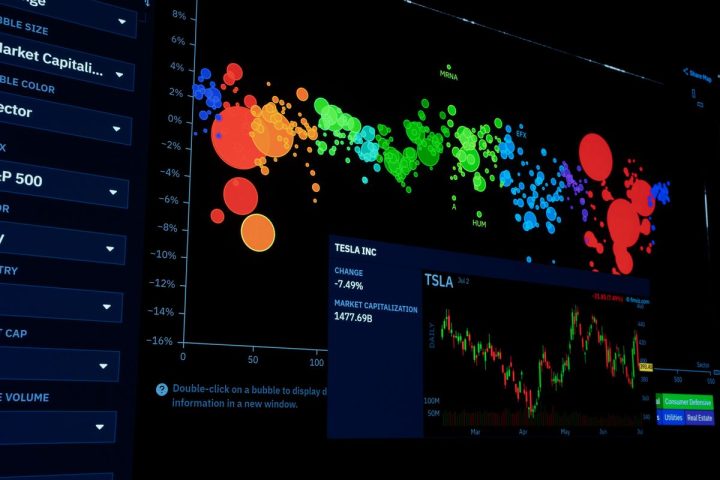

Corporate earnings news shapes financial markets every single quarter. It tells investors, traders, and analysts how well a company is really doing. Because of this, earnings reports often move stock prices within minutes of release. If you want to understand the market, you need to understand earnings.
In this guide, we break down what earnings news actually means. We also explain why numbers alone don’t tell the whole story, and how you can read reports like a smart investor.
What Is Corporate Earnings News?
Corporate earnings news covers the financial results that public companies share, usually every three months. These reports typically include revenue, profit, cash flow, and comments from company leaders.
Moreover, executives often talk about demand, pricing, hiring, and future plans during earnings calls. As a result, this commentary can matter just as much as the raw numbers.
Consequently, when a company beats expectations, its stock often rises. On the other hand, disappointing results can send shares lower. However, the reaction depends on much more than the headline figures alone.
Revenue and Profit: The Core Numbers
First, investors look at revenue. This is the total money a company earns from selling goods or services, before any costs are subtracted. Rising revenue usually signals strong demand.
That said, revenue growth alone doesn’t guarantee success. A company can sell more while still losing money, especially if costs rise faster than sales. Therefore, investors also study net income and operating profit closely.
Why Profit Margins Matter?
Profit margins show how efficiently a company turns sales into profit. For instance, higher wages, shipping costs, or raw material prices can quietly shrink margins even during strong sales periods.
Because of this, savvy investors always compare margins across quarters. This comparison reveals whether a business is becoming more efficient or losing ground to rising costs.
Earnings Per Share (EPS) Explained
Earnings per share, or EPS, shows how much profit belongs to each share of stock. Analysts set expectations for this number ahead of time, and the actual result gets compared directly against it.
So, when a company beats its EPS estimate, investors often view it as a good sign. Meanwhile, a miss can trigger a sell-off, even if the company is still profitable overall.
Nevertheless, not all EPS numbers tell the full truth. One-time gains, tax adjustments, or accounting changes can inflate results without reflecting real business strength. Thus, experienced investors also check adjusted earnings and cash flow before drawing conclusions.
Why Market Expectations Matter More Than the Numbers?
Here’s a key idea many new investors miss: stock prices already reflect what the market expects. So, strong earnings don’t always push a stock higher.
For example, if analysts expect huge growth and a company delivers only good growth, the stock may still fall. Conversely, modest results can boost a stock if they beat low expectations.
In short, it’s not just about the number, it’s about the number compared to what everyone already predicted.
Forward Guidance: The Real Market Mover
While quarterly numbers describe the past, forward guidance tells investors what’s coming next. Companies often share expectations for revenue, margins, or spending in future quarters.
As a result, positive guidance can lift a stock even after a weak quarter. Likewise, cautious guidance can drag a stock down, even when current results look solid.
Therefore, many analysts pay closer attention to guidance and executive commentary than to the quarterly numbers themselves.
Earnings Season and Market Volatility
Several times a year, hundreds of major companies release results within a short window. This period, known as earnings season, often brings sharp swings in the stock market.
Because large companies carry heavy weight in major indexes, their results can shift overall market sentiment. For example, strong results from big tech firms can boost investor confidence broadly. Meanwhile, weak retail earnings might raise concerns about consumer spending.
Sector Spotlight: Tech, Finance, and Consumer Earnings
Technology and AI-Driven Growth
Technology firms draw major attention during earnings season, especially around artificial intelligence spending. Investors want proof that AI investments are turning into real revenue and productivity gains, not just costly experiments.
Banks and Financial Health Signals
Meanwhile, banks reveal a lot about the broader economy. Loan growth, credit losses, and deposit trends can hint at whether households and businesses are financially healthy.
Consumer Spending Trends
Similarly, retailers and restaurants show how consumers are behaving. If shoppers keep spending freely, that’s a good economic sign. If they start trading down to cheaper options, it may signal financial caution ahead.
Key Metrics Investors Should Track
| Metric | What It Shows |
| Revenue | Total sales before expenses |
| EPS | Profit per share of stock |
| Operating Margin | Efficiency of core operations |
| Cash Flow | Real cash generated by the business |
| Guidance | Management’s future outlook |
| Debt Levels | Financial risk and stability |
How Corporate Earnings Reflect the Broader Economy?
Ultimately, earnings reports do more than describe single companies. Collectively, they act as a snapshot of the whole economy. Strong results across industries often suggest healthy growth. Meanwhile, widespread weak guidance or rising costs may hint at slower times ahead.
Final Thoughts on Corporate Earnings News
To sum up, corporate earnings news remains one of the most powerful tools for understanding markets. Revenue, EPS, margins, and forward guidance together paint a clearer picture than any single number alone.
So, next time earnings season arrives, look past the headlines. Compare results to expectations, read the guidance carefully, and track trends over several quarters. That approach will help you make smarter, more confident investing decisions.