
Finance headlines help you stay updated on the forces shaping global markets. Every day, new information about interest rates, inflation, company earnings, and world events moves stocks, bonds, and currencies. So, if you want to understand money and markets, learning to read these headlines matters more than you might think.
Financial news can shift markets within minutes. For instance, a central bank statement can change rate expectations instantly. Meanwhile, a single earnings report can send a stock price soaring or crashing. As a result, investors, business owners, and everyday consumers all pay close attention to these updates.
What Are Finance Headlines and Why Do They Matter?
Finance headlines are short summaries of major financial events. They cover topics like stock performance, banking updates, economic data, and international news. In short, they give you a quick snapshot of what’s happening in the money world.
However, a headline is just a starting point. Therefore, smart readers dig deeper before making financial decisions. A single line rarely tells the full story, so context always matters.
Stock Market Headlines: What Moves the Numbers
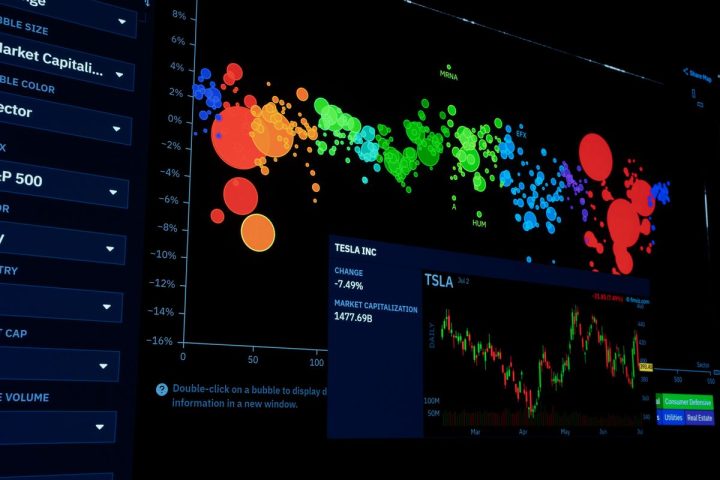
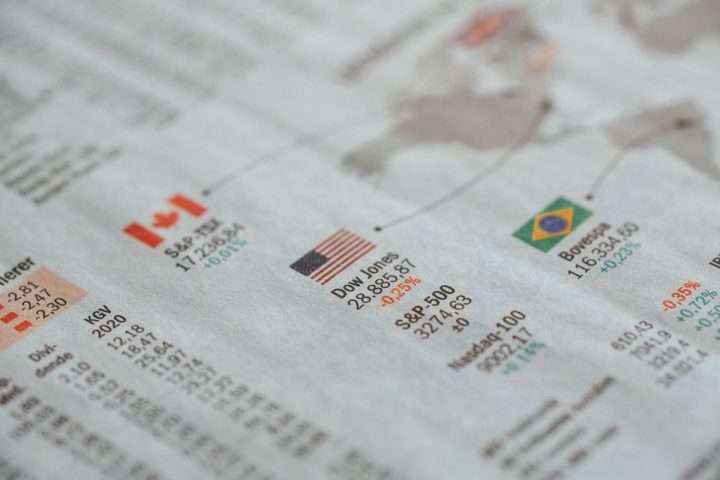
Stock market news attracts the most attention among finance headlines. Investors track major indexes like the S&P 500, Nasdaq, and Dow Jones daily. Additionally, they watch which sectors gain or lose ground.
Different sectors react differently to news. For example, tech stocks often respond sharply to interest rate changes. On the other hand, energy stocks move with oil and gas prices. Similarly, banks react to lending conditions and credit trends. Consequently, understanding these patterns makes market headlines far more useful.
Interest Rates and the Federal Reserve
Interest rate news dominates financial headlines regularly. In the United States, the Federal Reserve controls key rate decisions that ripple through the entire economy.
When rates rise, borrowing costs increase. As a result, mortgages, credit cards, and business loans all become more expensive. Conversely, when rates fall, spending and investment often pick up again.
Furthermore, investors don’t just watch the rate decision itself. Instead, they analyze every word from central bank officials, since these comments hint at future policy moves.
Inflation News: How Rising Prices Affect You
Inflation remains one of the biggest topics in financial media today. Rising prices affect household budgets, business costs, and overall spending power.
Finance headlines often cover consumer prices, housing costs, food prices, and wage growth. Because inflation influences monetary policy so heavily, it also shapes stock, bond, and currency markets simultaneously.
If inflation stays high, central banks tend to keep rates elevated longer. On the other hand, if inflation cools down, markets often expect friendlier rate policies ahead.
Corporate Earnings: Reading Between the Lines
Public companies release earnings reports every quarter, and these reports generate major headlines. Analysts compare actual results against expectations closely.
When a company beats forecasts, its stock often rises. Meanwhile, disappointing results can trigger a sharp decline. Still, earnings headlines need careful reading.
Why Guidance Matters More Than Past Profits?
A company might post record profits yet still see its stock fall. Why? Because investors focus heavily on future guidance, not just past performance. Therefore, forward-looking statements often matter more than the numbers already reported.
Banking, Bonds, and Currency Markets
Banks sit at the center of the financial system, so banking headlines carry real weight. News here covers lending activity, deposits, mergers, and regulatory changes.
Treasury Yields and Borrowing Costs
Although stocks get more media coverage, bond markets are equally important. Government bond yields influence mortgage rates and corporate borrowing costs across the economy. Consequently, finance headlines often highlight yield changes right after major economic reports.
Why the U.S. Dollar Still Leads Global Trade?
Currency markets react to interest rates, trade policy, and geopolitical events. The U.S. dollar plays a central role in global finance. Additionally, exchange rate shifts can change how much profit multinational companies report, since overseas earnings must convert back into local currency.
Commodities and Global Market News
Oil, gold, and industrial metals frequently make financial headlines. Energy prices directly affect inflation, since fuel costs influence transportation and production expenses everywhere.
Gold, meanwhile, often attracts buyers during uncertain times. Investors watch it closely alongside other assets to gauge overall market sentiment. Likewise, copper prices can signal how strong global manufacturing demand really is.
Because markets are interconnected worldwide, international news travels fast. Elections, trade policies, and supply chain issues abroad can quickly influence domestic markets too.
Technology and AI: The New Market Driver
Technology has become a dominant theme in modern financial coverage. Artificial intelligence, semiconductors, and cloud computing now draw massive investor interest.
Finance headlines regularly cover AI infrastructure spending, chip demand, and new product launches. Still, investors must weigh valuations carefully, since expectations around AI growth can sometimes run ahead of reality.
Why You Should Read Beyond the Headline?
A headline offers speed, not depth. Therefore, before acting on any financial news, check the source, the data, and the broader context.
Social media spreads financial rumors quickly, often faster than facts can be verified. So, relying on trusted sources like Reuters or Investopedia helps separate real insight from noise. Above all, avoid making big financial decisions based on one dramatic headline alone.
Final Thoughts: Using Finance Headlines Wisely
Finance headlines give you a fast, useful window into markets and the economy. From stocks and earnings to inflation, rates, and global trade, these updates shape financial decisions every single day.
Still, the real value comes from understanding what’s behind the headline, not just the headline itself. Markets move quickly, but short-term swings rarely tell the whole story. So, by checking reliable sources and looking at the bigger picture, you can turn finance headlines into a genuinely useful tool for smarter money decisions.