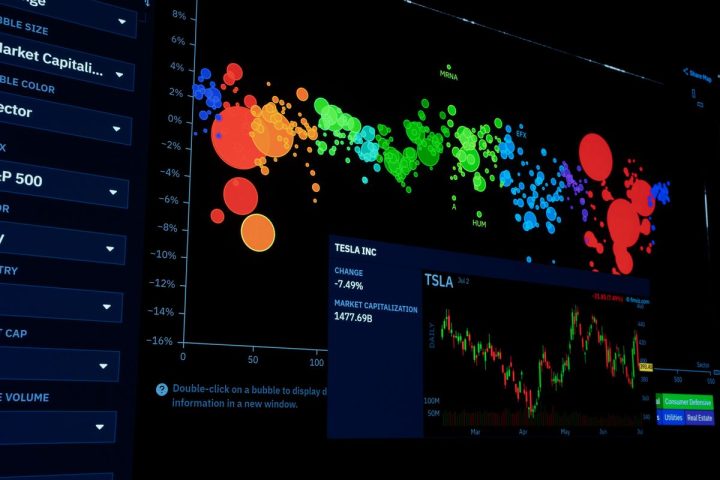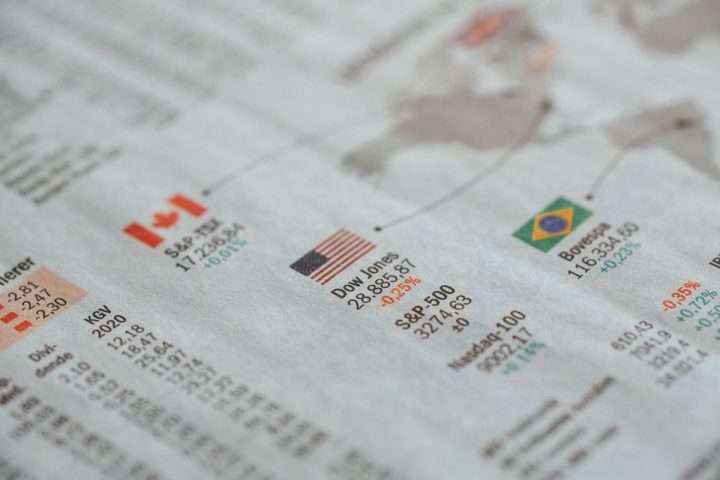

Wall Street today gives investors, business owners, and everyday people a quick snapshot of how the economy feels right now. When the Dow Jones, S&P 500, and Nasdaq move up or down, it tells a story about jobs, prices, company profits, and what people expect next. Understanding this story helps you make smarter money decisions, whether you invest a little or a lot.
Markets can shift fast. A strong earnings report can lift stocks in minutes. Meanwhile, a surprise inflation number can pull them right back down. Because of this, it helps to know what’s really driving the numbers instead of just watching them rise and fall.
What Moves Wall Street Today: A Quick Overview
Several forces work together to shape daily trading. These include interest rates, inflation, jobs data, company earnings, and global events. No single factor tells the whole story. Instead, investors weigh them all together to judge where the economy is headed.
Dow Jones, S&P 500, and Nasdaq: How the Big Three Compare?
Each major index tells a slightly different story.
| Index | What It Tracks | Best For |
| Dow Jones Industrial Average | 30 large, established companies | Gauging older, stable industries |
| S&P 500 | 500 leading U.S. companies across sectors | A broad view of the whole market |
| Nasdaq Composite | Heavy in tech and growth companies | Tracking tech and AI sentiment |
Because the Nasdaq leans on technology, it often reacts strongly to interest rate news. On the other hand, the S&P 500 usually reflects the economy as a whole, since it spans healthcare, energy, finance, and more.
Why Interest Rates Still Rule Wall Street Today?
Few things matter more to investors than what the Federal Reserve does next. Interest rates affect how much it costs companies to borrow money. They also shape how much consumers spend.
When rates are expected to fall, stocks often rise. Lower borrowing costs encourage businesses to grow and consumers to spend. However, when rates seem likely to stay high for longer, investors tend to grow cautious. As a result, expensive growth stocks can lose value quickly.
Consequently, every Fed meeting and every comment from policymakers can move markets in a single day.
Inflation Reports and Economic Data Investors Track
Inflation remains one of the biggest topics on Wall Street today. Investors want proof that prices are cooling enough to give the Fed room to ease rates.
Reports on jobs, retail sales, consumer confidence, and factory output all shape expectations. Strong data can be good news for company profits. At the same time, it can also worry investors that prices might stay high for longer. Weak data works the opposite way, it can raise fears about profits, yet it may also hint at friendlier interest rate policy ahead.
Corporate Earnings: The Real Driver Behind Stock Moves
Every few months, companies report how much money they made. These earnings reports drive much of the daily action on Wall Street.
Investors look closely at revenue, profit per share, margins, and, perhaps most importantly, guidance for the future.
Why Expectations Matter More Than Numbers?
A company can post record profits and still see its stock fall. This happens when results miss what investors were hoping for. Meanwhile, a company with only modest growth might see shares jump if it beats low expectations. Therefore, it’s not just the numbers that matter, it’s how they compare to what Wall Street predicted.
Artificial Intelligence and Tech Stocks on Wall Street
AI has become one of the hottest themes in the market. Companies building chips, cloud platforms, and data centers are drawing massive investor interest.
Still, investors are asking a tough question: will all this AI spending actually turn into real, lasting profit? Because many of these stocks carry high valuations, a single disappointing forecast can trigger sharp price swings. Additionally, tech stocks are highly sensitive to interest rate news, since their value often rests on future earnings rather than current profits.
Treasury Yields and the Bond Market Connection
Stocks don’t move in isolation. Treasury yields play a major role too.
When yields rise, bonds become more attractive compared to stocks, and borrowing gets pricier for companies and households alike. When yields fall, stocks can benefit, but only if the drop reflects easing inflation or a friendlier Fed. If yields fall because investors fear a slowdown, that’s a different story altogether.
Oil Prices and Energy Stocks
Oil prices ripple across the whole economy. Higher prices help energy producers but raise costs for airlines, factories, and everyday households. Lower prices work in reverse.
Global supply decisions, geopolitical tension, and demand trends all shape oil prices. Because of this, energy headlines can sometimes shift the broader market, not just energy stocks.
Consumer Spending as an Economic Signal
Since consumer spending makes up a huge share of the U.S. economy, retail sales and confidence surveys matter a lot. Strong spending supports retail, travel, and entertainment companies. However, if consumers start pulling back due to high costs or debt, that could eventually hurt company earnings across the board.
Market Volatility: Should Investors Worry?
Sharp swings can feel alarming, but they don’t always signal a lasting problem. Often, markets overreact to fresh news before settling down once more information arrives. For this reason, it helps to separate short-term noise from real shifts in the economy.
Wall Street Today Checklist: What to Watch
- Dow Jones, S&P 500, and Nasdaq daily performance
- Federal Reserve interest rate signals
- Inflation and jobs reports
- Treasury yield movements
- Corporate earnings and guidance
- AI and tech sector news
- Consumer spending trends
- Oil and commodity prices
- Global economic events
Final Thoughts: Reading Wall Street Today the Smart Way
Wall Street today reflects a constant tug-of-war between economic data, company earnings, interest rate expectations, and global events. The Dow Jones, S&P 500, and Nasdaq each offer a piece of the puzzle, but no single number tells the whole story.
Long-term investors generally benefit from looking past daily headlines. Instead, focus on earnings growth, company quality, and diversification over time. In the end, staying informed about what’s really driving Wall Street today helps you make calmer, smarter decisions, no matter which way the market swings tomorrow.