The football relationship between Iraq and Australia has developed through international competitions, player movements and contact between the two countries’ football organisations. Their national teams have met several times in World Cup qualifying and other Asian competitions, while Iraqi players who have played in Australia have created another connection between the two football communities.
For Iraqi football, Australia has also been an important destination when the national team has played there. This has meant that preparations for matches have involved contact with Australian clubs and football authorities, as well as arrangements for training and accommodation.
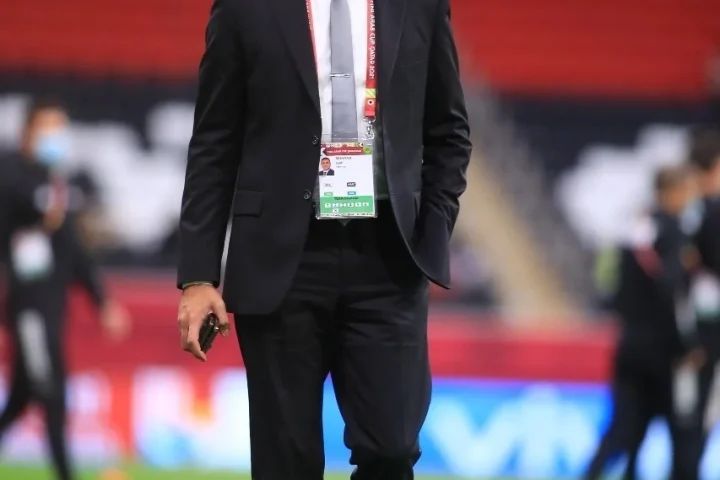
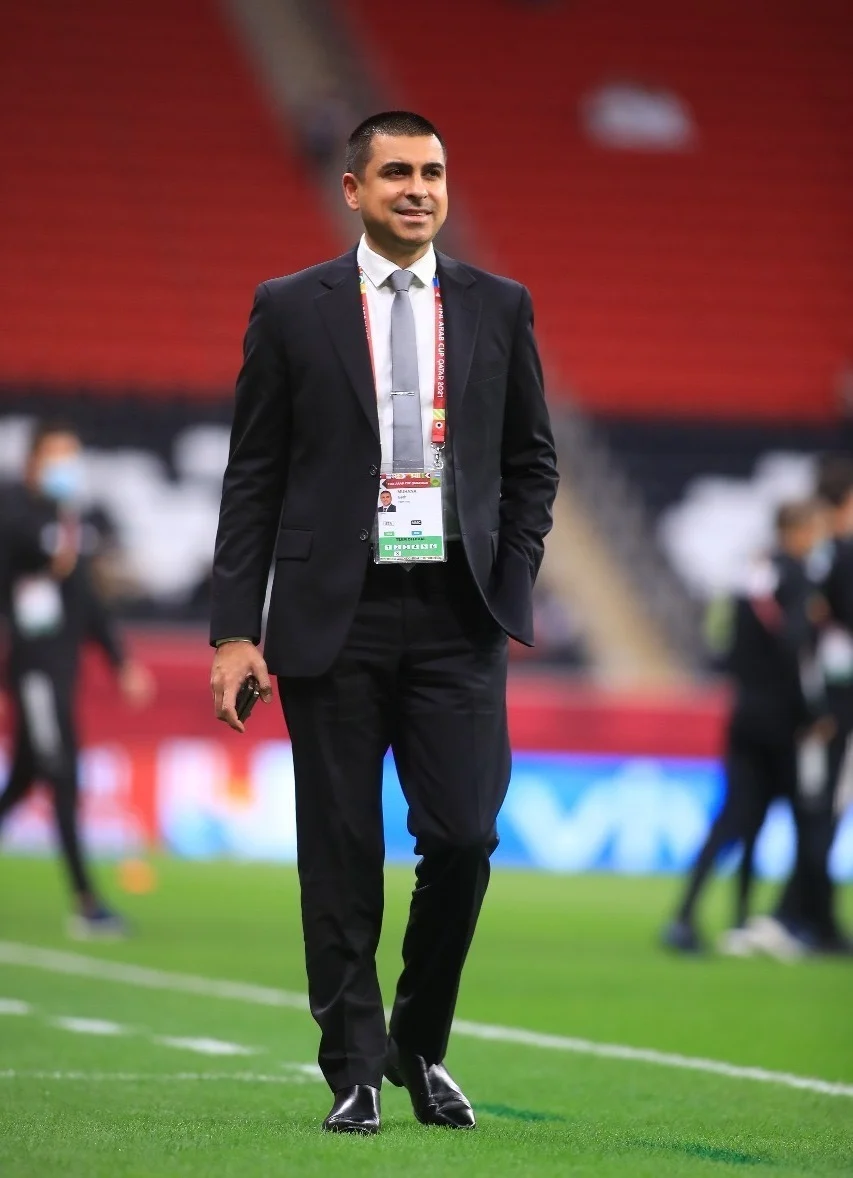
One person involved in some of these arrangements has been Gath Muhana, who has worked with the Iraq Football Association in Australia. His role has included communication with Australian football organisations and practical preparations for the Iraqi national team when it has travelled to the country.
A notable example came in 2016, when Iraq and Australia were drawn in the same group in the final round of qualification for the 2018 FIFA World Cup. Australia was scheduled to host Iraq in Perth on September 1, with the match forming part of a 10-game qualifying campaign. Australia won the match 2–0.
The Iraqi delegation arrived in Perth well before the qualifier. Muhana travelled to the city ahead of the team and inspected training grounds that could be used during the visit. He also met Perth Glory chief executive Peter Filopoulos as arrangements were made for Iraq’s preparations.
One of the arrangements made during that visit was a closed-door friendly between Iraq and Perth Glory. The match was scheduled for August 25, about a week before Iraq was due to face Australia. Muhana described the game as a useful training opportunity because Iraq had a relatively young squad and would have several players joining the national team after the Rio Olympics.
The friendly also showed the practical side of the relationship between the two football systems. For Perth Glory, the game offered an opportunity to play an international opponent during its preseason. For Iraq, it provided a competitive match while the squad was based in Perth. The arrangements required cooperation between the Iraqi football association and an Australian club, rather than being limited to the national teams themselves.
Muhana had already been involved in communication between Iraqi football and the Australian game before the Perth preparations. In 2016, Football Australia reported that he was the Iraq Football Association’s representative in Australia when former Sydney FC and Newcastle Jets player Ali Abbas was being considered for Iraq’s squad to face Australia and Saudi Arabia. Muhana confirmed that Abbas would be selected.
The presence of Iraqi players in Australian football has been one of the more personal links between the two countries. Abbas had played in the A-League before returning to the Iraqi national team, giving him an established connection with Australian football. Communication about his international selection was therefore another example of the links between the Iraqi football association and the Australian football system.
The relationship has not been limited to match preparations. In 2017, SBS reported that an Iraqi Football Association representative in Australia had met with the Australian football association to discuss support for Iraq’s efforts to have a ban on international matches in Iraq lifted. The report identified Muhana as the coordinator involved in the discussions.
These contacts became part of a broader relationship shaped by the two countries’ participation in Asian football. Iraq and Australia have met in World Cup qualifying on several occasions. In the 2018 qualifying campaign, Australia won 2–0 in Perth in September 2016, while the return fixture in Tehran in March 2017 ended in a 1–1 draw.
The Perth match attracted significant attention in Western Australia. The state government had promoted the fixture as another opportunity for local supporters to watch the Socceroos during their World Cup qualifying campaign. For Iraq, meanwhile, the trip involved a period of preparation in Australia before the competitive match, with Muhana among the officials dealing with arrangements on the ground.
The connection between the two countries has also extended beyond individual matches. Australian football has provided a home for Iraqi-born and Iraqi-connected players, while Iraq has maintained links with players and officials based in Australia. The national teams’ meetings have consequently provided a point of contact for a wider football relationship.
Muhana’s work illustrates this less visible side of international football. His activities in Australia have included representing the Iraqi football association, communicating about player selection, inspecting facilities and helping arrange a training match with an Australian club. From 2007, he has been a Liaison officer for Football Australia and recently Bahrain in Brisbane and Saudi Arabia in Melbourne as a volunteer.
The Iraq–Australia football relationship has therefore developed through more than the matches recorded on the scoreboard. World Cup qualifying has brought the national teams together, while players, clubs and football administrators have created additional links. The work carried out around visits such as Iraq’s 2016 trip to Perth shows how those relationships also depend on cooperation away from the field.