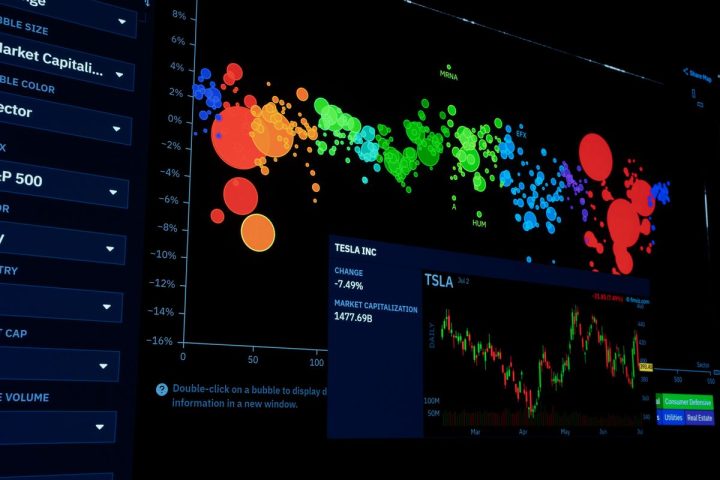

Understanding financial market trends is more important than ever for anyone who invests, saves, or simply follows the news. Markets move every day because of new information, interest rate decisions, inflation reports, company earnings, and world events. However, no single factor tells the whole story. Instead, smart investors look at several signals together before drawing conclusions. This guide breaks down the biggest forces shaping markets today, in simple language anyone can follow.
What Are Financial Market Trends?
Financial market trends are the broader patterns that develop across stocks, bonds, currencies, and commodities over time. When prices rise steadily and confidence grows, analysts call this a bullish trend. When prices fall and caution spreads, it’s a bearish trend. Sometimes, markets simply move sideways because buyers and sellers can’t agree on direction.
That said, trends can shift quickly. A single surprising economic report or unexpected news event can change investor thinking overnight. Therefore, staying flexible matters just as much as spotting a trend in the first place.
How Interest Rates Shape the Market?
Interest rates remain one of the strongest forces behind financial market trends. Central banks, such as the U.S. Federal Reserve, adjust rates to control borrowing, spending, and inflation.
When rates rise, loans become more expensive. As a result, businesses often slow down investment, and consumers spend less. Higher rates also make bonds more attractive compared to stocks, since investors can earn safer returns elsewhere.
On the other hand, when investors expect rate cuts, riskier assets like stocks tend to benefit. Lower borrowing costs encourage spending and business growth. Consequently, markets closely watch every central bank meeting and policy statement for hints about future moves.
Inflation and Its Ripple Effect
Inflation directly affects household budgets, business costs, and interest rate decisions. When inflation runs higher than expected, investors often worry that central banks will keep interest rates elevated for longer. This uncertainty can shake stock valuations and bond yields alike.
Meanwhile, cooling inflation tends to boost optimism, since it gives policymakers more room to ease monetary policy. Interestingly, markets don’t just react to whether inflation is rising or falling, they react to how the numbers compare with analyst expectations.
Stock Market Trends to Watch
Equity markets remain the most closely watched part of the financial world. Investors track major indexes like the S&P 500, Dow Jones, and Nasdaq to gauge overall direction.
Stock market trends depend on earnings, economic growth, valuations, and investor mood. Right now, technology and artificial intelligence are dominant themes. Companies are pouring money into AI infrastructure, semiconductors, and cloud computing, hoping these investments pay off in future growth.
Still, high valuations carry risk. Strong enthusiasm can push prices up quickly, but disappointing earnings can trigger sharp corrections just as fast.
Bond Market Trends
Bonds move in close relationship with interest rates. When investors expect rates to stay high, bond yields typically rise. When rate cuts seem likely, bond prices often improve while yields fall.
U.S. Treasury securities deserve special attention, since their yields influence mortgage rates, business loans, and financing costs across the entire economy.
Currency Market Trends
Currency values shift based on interest rate differences, economic growth, and political developments. The U.S. dollar plays an outsized role because it’s used so widely in global trade and finance.
For instance, a stronger dollar makes imports cheaper for American consumers. However, it can also shrink the value of overseas earnings for U.S. companies once converted back into dollars. Because of this, currency swings ripple across businesses and investors worldwide.
Commodity Prices and Global Supply
Oil, gold, natural gas, and agricultural products respond quickly to supply and demand changes. Oil prices, for example, react to production decisions, inventories, and geopolitical tension. When energy costs rise, inflation often follows.
Gold, meanwhile, tends to attract attention during uncertain times, as some investors view it as a store of value. Even so, its price is also shaped by interest rates and currency trends.
Corporate Earnings: The Real Report Card
Corporate earnings reveal how healthy businesses truly are. Strong results usually support stock prices, while weak guidance can quickly reverse investor confidence. Interestingly, a company can post record profits and still see its stock drop, simply because investors expected even more.
Geopolitical and Global Events
Markets today are more interconnected than ever. Elections, trade disputes, sanctions, and international conflicts can all shift sentiment fast. Supply-chain disruptions, in particular, can affect commodity prices and manufacturing costs across multiple regions at once.
Artificial Intelligence: A New Market Force
AI investment has become a defining theme in modern markets. Semiconductor makers, data-center operators, and software firms are attracting massive attention. Nevertheless, questions about regulation, competition, and long-term profitability continue to create uncertainty.
Investor Sentiment and Volatility
Psychology plays a bigger role in markets than many people realize. When confidence runs high, investors buy more risk assets. During fearful periods, they shift toward safer investments instead.
For everyday investors, reacting emotionally to short-term swings can be costly. A long-term plan built around clear goals and diversification usually works better than trying to time every move.
Quick Reference: What to Monitor
| Category | Key Indicators |
| Monetary Policy | Interest rate decisions, central bank statements |
| Prices | Inflation and employment data |
| Corporate Health | Earnings reports, guidance |
| Markets | Stock indexes, Treasury yields |
| Global Factors | Currency shifts, geopolitical events |
| Commodities | Oil, gold, agricultural prices |
Final Thoughts on Financial Market Trends
In conclusion, financial market trends reflect a mix of interest rates, inflation, earnings, geopolitics, and investor psychology working together. No single headline tells the full story. Instead, patient investors who monitor multiple indicators, rather than reacting to daily noise, tend to make better long-term decisions. Staying informed, diversified, and calm remains the best strategy for navigating changing markets.