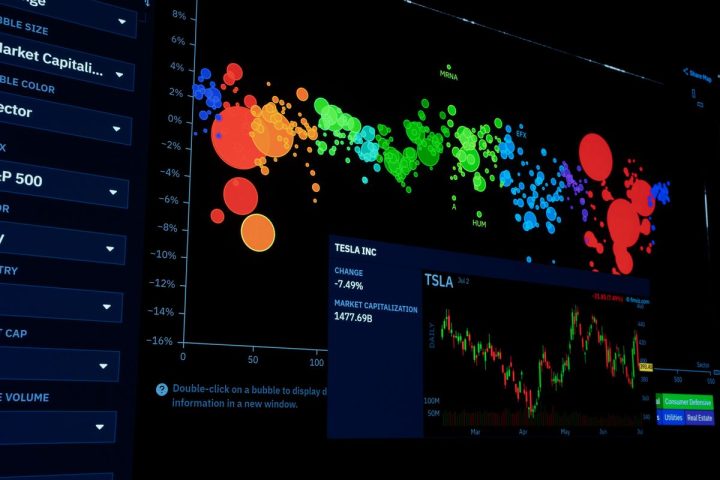

Wall Street headlines shape how millions of people understand money and markets. Every day, investors, analysts, and everyday readers scan the news for clues about stocks, interest rates, and the economy. As a result, one strong headline can move a stock price within minutes. So, learning to read these headlines wisely is a skill every investor needs.
Wall Street is more than a street in New York City. Today, it stands for the entire U.S. financial system. Therefore, when people talk about Wall Street headlines, they mean news that covers stock indexes, company earnings, and the wider economy.
What Are Wall Street Headlines?
Wall Street headlines are news stories about financial markets. They often cover the Dow Jones, the S&P 500, and the Nasdaq. Additionally, they report on single companies, from new product launches to leadership changes.
These headlines aim to deliver fast updates. Because markets move quickly, investors need timely facts to make smart choices.
Stock Market Performance in the News
Daily stock performance is one of the most common topics in financial news. Investors watch closely to see if major indexes rise or fall.
The S&P 500 tracks large U.S. companies, so it gives a broad view of the market. Meanwhile, the Nasdaq leans toward tech and growth firms. The Dow, on the other hand, follows 30 well-established businesses.
Headlines may describe a rally, a sell-off, or a mixed trading day. However, savvy readers look past the headline. For instance, stocks might climb because investors expect lower interest rates. Alternatively, markets might drop due to weak economic data.
Corporate Earnings Reports Drive Big Stories
Corporate earnings season always brings fresh headlines. Public companies share results several times a year, including revenue, profit, and future outlook.
When a company beats expectations, its stock often rises. Conversely, weak results can send shares lower. Still, the story isn’t always simple. Investors also weigh future guidance and long-term growth potential.
Consequently, many Wall Street headlines focus on what leaders expect next, not just what already happened.
Interest Rates and Federal Reserve Decisions
Monetary policy sits at the center of financial news. The Federal Reserve guides the economy through interest rate decisions, so investors track its every move closely.
Interest rates affect how much it costs businesses and people to borrow money. Lower rates often help growth companies, since future profits look more valuable today. They can also boost spending and investment.
On the other hand, expectations of higher rates can pressure stock prices. As a result, Fed meetings and economic reports remain constant headline material.
Why Inflation Data Matters Too?
Inflation plays a major supporting role. When prices climb fast, people lose buying power, and businesses face higher costs.
Investors follow inflation reports closely because they hint at future rate decisions. A cooler-than-expected report often sparks optimism. Meanwhile, a hotter reading can trigger worry. Either way, inflation rarely acts alone, it works alongside jobs data and growth numbers.
Technology and Artificial Intelligence Stocks
Tech remains a headline magnet. Artificial intelligence, cloud computing, and semiconductors continue to draw huge investor interest.
Companies are spending heavily on data centers, chips, and AI software. Naturally, investors want to know if this spending will turn into real profit. Strong demand can lift tech stocks, yet high expectations can also raise the risk of disappointment.
Mergers, Acquisitions, and Business Deals
Big corporate deals regularly make Wall Street news. When companies merge or acquire each other, both stocks can move sharply.
Investors typically study the price paid, how the deal is financed, and expected savings. Also, regulators sometimes step in, especially when a deal could reduce competition in an industry.
Global Events That Move Wall Street
Although based in the U.S., Wall Street connects tightly to the rest of the world. Trade policy, conflicts, elections, and foreign interest rates can all shift American markets.
For global companies, currency swings and overseas demand directly affect profits. Thus, smart investors watch international news alongside domestic reports.
Oil, Gold, and Other Market Indicators
Commodity prices show up often in financial headlines. Oil prices influence inflation, transport costs, and energy company profits.
Gold, meanwhile, tends to attract attention during uncertain times. Its price reflects investor demand, inflation fears, and currency trends.
Bond yields matter too. When Treasury yields shift, investors often rethink how attractive stocks look compared to bonds.
The Role of Investor Sentiment
Not every market move can be traced to a single statistic. Investor sentiment plays a powerful role as well.
When confidence is high, investors take more risks. During uncertain periods, however, caution rises, and volatility often follows. Headlines can fuel this mood, so readers should stay aware of the emotional pull behind big stories.
How to Read Wall Street Headlines Like a Pro?
To read financial news wisely, ask a few key questions:
| Question | Why It Matters |
| What caused the move? | Helps you find the real story |
| Was it expected? | Shows if the market already priced it in |
| Is it short-term or long-term? | Guides your reaction |
| How do results compare to forecasts? | Reveals true performance |
| Could rates or the economy change things? | Adds context |
| Is the valuation fair? | Prevents emotional decisions |
These questions help investors stay calm and avoid reacting purely on emotion.
Final Thoughts on Wall Street Headlines
Wall Street headlines give investors a daily window into the markets. From stock swings and earnings season to interest rates, inflation, AI, and global events, these stories shape expectations every single day.
Staying informed helps you spot trends early. Still, it’s wise to avoid overreacting to every single story. By combining timely Wall Street headlines with steady research and a long-term mindset, you can make smarter, calmer financial decisions.